


Welcoming a new baby is full of exciting "firsts": first smiles, first steps, first foods. But not all firsts are created equal. According to an experienced pediatrician in Houston, some early decisions can either support your baby’s growth or potentially pose risks. This guide will help you navigate which firsts to encourage and which to avoid, with insights from trusted pediatric experts and answers to common questions like “how often pediatric provider’s see newborns?” and “when to call pediatric provider for diarrhea?”
The Best Firsts for a Healthy Development
Some of the best “firsts” in a baby’s life lay the foundation for long-term health and well-being. These include reaching milestones at their own pace, starting solids safely, and adopting a few simple, supportive daily habits.
1. Developmental Milestones: Trust Your Baby’s Pace
- Every baby develops differently. Aavoid comparing with others.
- Look for steady month-to-month progress instead of exact ages.
- The median age for rolling over is 5.8 months (not rolling at 4.5 months is still normal).
- Some babies skip crawling and go straight to walking by: scooting, pulling up on furniture, walking on all fours.
- A happy, engaged baby who’s slowly building skills is likely developing well.
2. First Solid Foods: When and What to Introduce
Signs your baby may be ready (usually between 4-6 months):
- Doubled birth weight and weighs at least 13 pounds
- Can sit with minimal support and hold their head up
- Shows interest in your food and feels hungry between milk feeds
Feeding Tips for a Newborn:
- Introduce one new food at a time to watch for allergies.
- Start with soft, easy-to-digest options (see table below).
- Always supervise during meals. Use a high chair with good back support.
Recommended First Foods

3. Helpful Daily Practices to Support Growth
- Tummy time: Start from birth, a few minutes daily to build neck and shoulder strength.
- Feeding posture: Always feed solids with baby seated upright in a high chair.
- Early nutrition: Until 9-12 months, breast milk or formula remains the main source of nutrition. Solids are for learning flavors and textures.
- Parental care matters: Prioritize your own rest; short naps make a big difference. It’s okay to safely let the baby cry for a few minutes if you need a break.
What are the “Worst Firsts” to Avoid or Watch Closely?
Not all “firsts” are good for your baby. Some common foods, products, or practices, often based on outdated advice, can be risky or unnecessary. The pediatricians in Houston highlights these specific dangers:
Unsafe First Foods:
- Honey: risk of botulism
- Whole grapes, hot dogs, raw apples: choking hazards
- Unpasteurized dairy: risk of harmful bacteria
- Highly salty/sugary or processed foods – hard on baby’s kidneys and overall nutrition
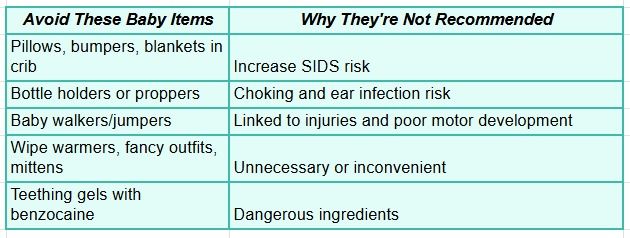
Harmful Practices:
- Forcing milestones (like walking or rolling early)
- Using teething remedies like whiskey or gels
- Giving babies juice, tea, or water before 6 months
- Dismissing parental instincts or concerns
Tips to Encourage the “Best Firsts”
Creating healthy habits early can help babies thrive and parents feel more confident. Start with these key tips:
Solid Food Success

Safe Sleep & Products
- Use sleep sacks instead of blankets.
- Avoid crib pillows, bumpers, or sleep positioners.
- Choose simple, practical clothes (zippered onesies).
Mindset & Routine
- Don’t rush milestones. Every baby is different.
- Trust your instincts if something feels off.
- Take breaks when needed; a rested parent is a better parent.
When to Call a Pediatrician
Never hesitate to call your pediatrician. Early contact can prevent serious issues. Trust your instincts: if something feels off, call, even if it seems minor.
Call immediately if your baby: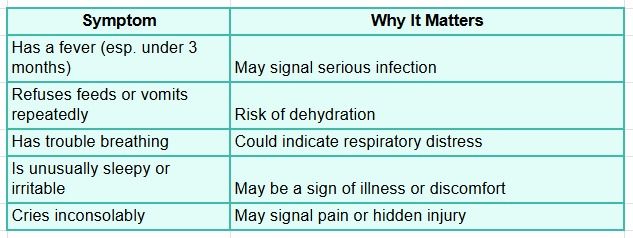
Your baby’s “firsts” shape their lifelong health. Choosing wisely, whether it’s starting solids, avoiding risky products, or knowing when to call the doctor, can make all the difference. At Pristine Pediatric Services for infants and children, you’ll find the guidance and support you need. Whether you’re looking for a pediatric provider who accepts Medicaid or a pediatric provider who specializes in ADHD, the trusted pediatric clinic in Spring and Katy is here to help.
Find a pediatrician in Houston who values your child’s unique journey. With the right care, the best firsts are just the beginning.